
Your Purchase Helps
shelter pets in need
Each order helps pets in need
shelter pets in need
Each order helps pets in need

Fish oil is one of the most straightforward supplements you can add to your dog's diet. The omega-3 fatty acids in it (mainly EPA and DHA) do real, visible work: healthier skin, a shinier coat, less itching, and better joint mobility. If your dog has dull fur, flaky skin, or stiff movement after walks, fish oil is usually the first thing vets suggest trying. It's also one of the few supplements where you can actually see the results with your own eyes within a few weeks.
Beyond the cosmetic stuff, omega-3s support brain function (especially important for puppies and senior dogs), help manage inflammation, and contribute to heart health. Dogs that eat commercial kibble are often getting too many omega-6 fatty acids and not enough omega-3s, which throws off the inflammatory balance in their body. Adding a quality fish oil tips that ratio back in the right direction. If you've looked into salmon oil for German Shepherds, the benefits are similar across all breeds. The key difference between fish oil products comes down to sourcing, concentration, and how your dog tolerates the taste.
I compared six of the top-selling fish oil supplements for dogs on Amazon, looking at omega-3 content, ingredient quality, ease of use, and real owner feedback. The products on this list range from premium pharmaceutical-grade options to budget-friendly picks that still deliver solid results. Whether you want a vet-recommended brand or an affordable entry point to test the waters, there's something here for every dog and every wallet.
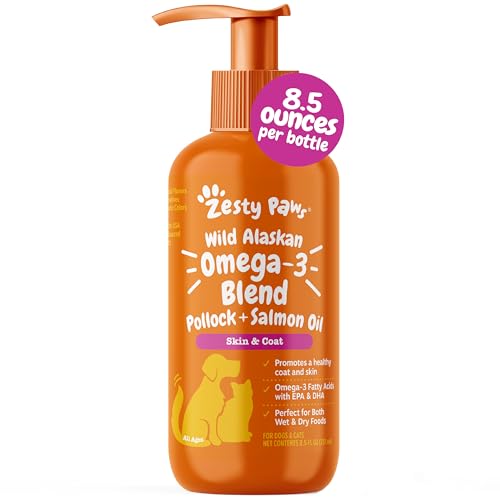
Zesty Paws is one of the most recognized names in the dog supplement space, and their Wild Alaskan oil blend is a big reason why. This formula combines pollock and salmon oil for a broader omega-3 profile than single-source options. You get both EPA and DHA in solid amounts, plus omega-6 and omega-9 fatty acids that round out the nutritional picture. The dual-source approach means your dog benefits from the fatty acid ratios of two different cold-water fish species rather than relying on just one.
The pump bottle design is genuinely useful. You can squirt the oil directly onto your dog's food without measuring cups or messy pouring. Most dogs go crazy for the taste, so mixing it in isn't a battle. Within a few weeks of daily use, you'll likely notice less flaky skin and a shinier coat. Dogs with seasonal allergies tend to scratch less too, though results vary depending on the severity. Several owners of dogs with chronic hot spots have reported noticeable relief after adding this to the daily routine.
One thing to keep in mind: the bottle is on the smaller side compared to some competitors, so you'll go through it faster with large breeds. The cost per ounce is higher than budget options, but the quality of the sourcing (wild-caught Alaskan fish) and the brand's reputation for third-party testing justify the premium for a lot of dog owners. Zesty Paws also has a satisfaction guarantee, which takes the risk out of trying it for the first time.
Pros
Cons

Nordic Naturals is a powerhouse in the human fish oil market, and their pet formula holds to that same standard. This is pharmaceutical-grade fish oil derived from anchovies and sardines, which are small fish that accumulate fewer heavy metals and toxins than larger species. Every batch is tested for purity, and the company publishes certificates of analysis you can look up on their website. If quality and transparency matter to you, Nordic Naturals sets the bar.
The 16-ounce bottle lasts a reasonable amount of time even for medium to large dogs. It has a mild, non-fishy smell compared to cheaper oils, which your nose will appreciate during feeding time. Dogs take to the taste without issues. The triglyceride form of omega-3 in this product is absorbed more efficiently than the ethyl ester form used in many competitors, so your dog gets more benefit from each serving. That higher bioavailability means you can often use a slightly lower dose and still see results.
The downside is price. Nordic Naturals is one of the more expensive fish oils on this list, and you're paying partly for a brand that built its reputation in the human supplement aisle. They also exceed international standards for freshness and purity (GOED, European Pharmacopoeia, CRN), which not many pet brands can claim. If budget is a concern, there are solid options that cost less per serving and still deliver good results. But if you want the cleanest product with the most documented testing, this is it.
Pros
Cons
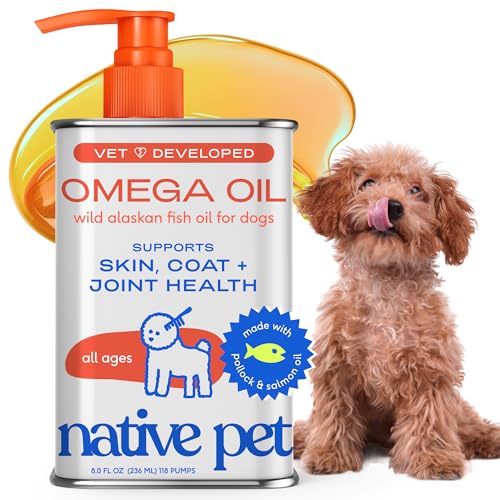
Native Pet keeps things simple. This is wild-caught Alaskan salmon oil with a clean ingredient list and nothing artificial added. The pump dispenser works smoothly, and the oil itself has a rich, golden color that signals freshness. Dogs love the salmon flavor, so compliance is never an issue. You just pump it onto their kibble and they inhale it.
What sets Native Pet apart is their focus on minimal processing. The oil is extracted at low temperatures to preserve the natural omega-3 content, and they skip the heavy refining steps that strip beneficial compounds from cheaper oils. You're getting something closer to what your dog would consume if they ate whole fish. The results show up in coat quality pretty quickly, usually within 2 to 3 weeks of consistent use. Owners of dogs with dull, straw-like coats tend to see the most dramatic improvement.
The bottle is a decent size, but heavy users (large breeds getting the full recommended dose) will burn through it in about a month. Native Pet also makes treats and toppers, so if your dog responds well to this oil, they have a whole ecosystem of products to explore. Their customer service has a good reputation too, which matters when you're buying consumable supplements online. The price sits in the mid-range, which feels fair for the sourcing and processing quality.
Pros
Cons
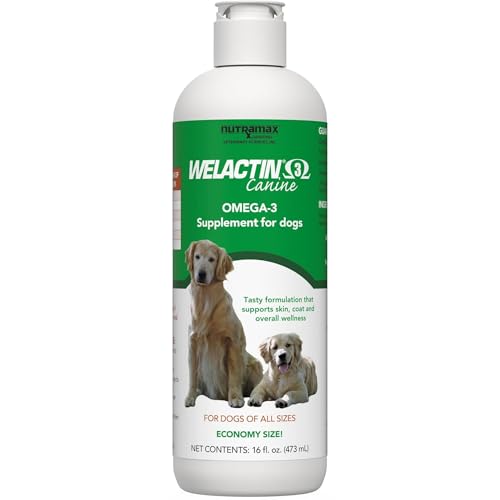
Nutramax is the company behind Cosequin and Dasuquin, two of the most vet-recommended joint supplement brands on the market. Their fish oil, Welactin, carries that same veterinary credibility. This is a product that vets actually stock and sell in their clinics, which says something about the formulation and the science behind it. If your vet has ever recommended a fish oil supplement by name, there's a good chance they mentioned Welactin.
Welactin uses a concentrated omega-3 formula with high EPA and DHA levels relative to the serving size. It's sourced from cold-water fish and refined to remove contaminants while preserving potency. The taste is palatable for most dogs, though a small percentage of picky eaters may turn their nose up at it initially. Mixing it thoroughly into wet food usually solves that problem. Some owners also drizzle it over treats as a training reward, which dogs seem to love.
The packaging is no-frills. You get a plain bottle with a twist cap rather than a pump, which means you'll need a measuring spoon or just eyeball the dose. It's not as convenient as pump bottles, but the product inside is top-tier. Nutramax backs their products with clinical research and quality controls that smaller brands simply can't match. Vets have been recommending Welactin for years, and that track record carries weight if you want something backed by professional endorsement rather than just Amazon reviews.
Pros
Cons
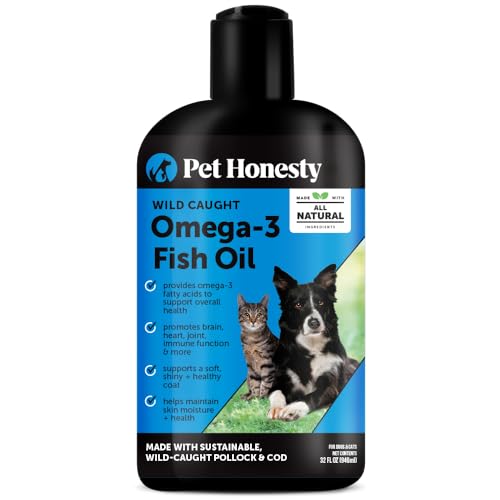
At 32 ounces, this is the biggest bottle on the list, and that size makes a real difference for owners of large or multiple dogs. You won't be reordering every three weeks. Pet Honesty sources their oil from wild-caught fish and includes a pump that handles the thicker consistency without dripping everywhere. For households with two or three dogs, the economics of this bottle size start to make a lot of sense.
The formula targets skin and coat health specifically, and it delivers. Dogs with dry, itchy skin tend to see improvement within the first month. The coat gets that glossy, "just-been-to-the-groomer" look that makes strangers ask what you're feeding them. It also supports joint health and immune function, though those benefits are harder to see visually. Several long-time users report that their older dogs move more freely after a few months of consistent supplementation.
Pet Honesty has built a solid reputation in the pet supplement category with their chews and powders, and this fish oil holds up to the brand standard. They're a US-based company with responsive customer support, which is a plus when you're buying supplements for your pet. The value per ounce is excellent given the bottle size. The only real knock is that the large bottle takes up more fridge space than smaller options (refrigeration after opening is recommended), and the pump occasionally needs a firm press to get going after sitting in the cold for a while.
Pros
Cons
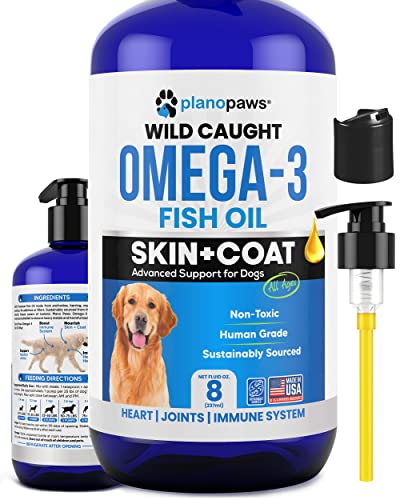
Bark&Spark's fish oil is a budget-friendly option that punches above its weight. The formula includes EPA, DHA, and DPA omega-3 fatty acids sourced from wild-caught fish. DPA is less commonly highlighted than EPA and DHA, but research suggests it plays a role in tissue repair and reducing inflammation. Getting all three in one product is a nice bonus at this price point, and it's something most competing budget oils don't offer.
The pump works well and the oil has a consistency that mixes easily into kibble or wet food. Most dogs eat it without hesitation. Owners frequently report visible coat improvements within 2 to 4 weeks: less dandruff, softer fur, and reduced scratching. For dogs dealing with seasonal allergies or generally dull coats, this is an affordable way to test whether fish oil makes a difference before committing to a premium brand. It's also a good option if you're supplementing multiple dogs and want to keep costs manageable.
Bark&Spark is a smaller brand, so you won't find the same depth of third-party testing documentation that Nordic Naturals or Nutramax provide. Their Amazon listing doesn't go into great detail about sourcing regions or purification methods, which more discerning buyers might find frustrating. If transparency and certified purity reports are important to you, that's worth considering. But purely on results and value, this fish oil holds its own against options that cost twice as much.
Pros
Cons
These are the two omega-3 fatty acids that matter most. EPA (eicosapentaenoic acid) fights inflammation and supports skin health. DHA (docosahexaenoic acid) is crucial for brain and eye development, making it especially important for puppies and aging dogs. When comparing products, look at the actual EPA and DHA numbers per serving, not just total "omega-3" content. Some brands pad their labels with less beneficial omega fatty acids to make the numbers look bigger. A quality fish oil should deliver at least 150mg of combined EPA and DHA per serving for a medium-sized dog.
Liquid fish oil is the most popular format for dogs because you can pump it directly onto food. It's easy to adjust the dose based on your dog's weight, and most dogs eat it without complaint. Softgels work too, but you'll need to either hide them in a treat or puncture them and squeeze the oil out. For picky eaters or dogs that spit out capsules, liquid is the way to go. Softgels do have the advantage of less mess and longer shelf life, so they make sense for travel or if you only supplement occasionally.
Wild-caught fish from cold, clean waters (Alaska, Norway, Iceland) tend to have lower levels of heavy metals and environmental contaminants than farmed fish. Small fish like anchovies, sardines, and pollock are better choices than large fish like tuna because they're lower on the food chain and accumulate fewer toxins. Look for brands that do third-party purity testing and publish the results. If a company won't share their test data, that's a red flag. Molecular distillation is the gold standard for removing mercury, PCBs, and dioxins from fish oil.
Most fish oil products include dosing guidelines based on your dog's weight, and you should follow them. The general recommendation from veterinary nutritionists is about 75 to 100mg of combined EPA and DHA per kilogram of body weight per day. So a 50-pound dog (roughly 23kg) would need around 1,700 to 2,300mg daily. Start with half the recommended dose for the first week and work up to full strength. This gives your dog's digestive system time to adjust and reduces the chance of loose stools, which is the most common side effect of introducing fish oil too quickly.
Fish oil is a perishable product. Once you open the bottle, store it in the refrigerator and use it within the timeframe listed on the label (usually 60 to 90 days). Rancid fish oil smells sharply bitter rather than mildly fishy, and feeding it to your dog does more harm than good. Oxidized omega-3s can actually increase inflammation rather than reduce it. If your bottle smells off or your dog suddenly refuses a fish oil they used to enjoy, it's probably gone bad. Buy a size you can realistically use up before it expires.
Technically, yes. The omega-3 fatty acids in human fish oil capsules are the same EPA and DHA that pet products contain. The issue is dosing and added ingredients. Human fish oil often includes vitamin D, lemon flavoring, or other additives that aren't ideal for dogs in large amounts. Vitamin D in particular can be toxic to dogs at high doses. If you want to use human fish oil in a pinch, choose a plain, unflavored product with no added vitamins and adjust the dose based on your dog's weight. But for daily use, a pet-specific formula is safer and more convenient.
Most owners notice coat and skin improvements within 2 to 4 weeks of daily supplementation. The fur gets softer, dandruff decreases, and itching calms down. Joint benefits take longer to show up, usually 4 to 6 weeks, because the anti-inflammatory effects need time to build up in your dog's system. If you don't see any changes after 8 weeks of consistent use at the right dose, talk to your vet. There may be an underlying condition that fish oil alone can't address.
Yes. Too much fish oil can cause digestive upset (loose stools, vomiting), weight gain from the extra calories, and in extreme cases, it can affect blood clotting because omega-3s have a mild blood-thinning effect. Stick to the recommended dose for your dog's weight. More is not better with fish oil. If your dog is on blood-thinning medication or has a clotting disorder, check with your vet before starting any fish oil supplement.
Fish oil won't stop shedding entirely because shedding is a natural, healthy process. What it does is improve the quality of your dog's coat so that the hair that grows in is stronger and less prone to breakage. Dogs with omega-3 deficiencies tend to shed more because their coat is dry and brittle. Once the skin and hair follicles are properly nourished, you'll often see a reduction in excessive shedding and fewer tumbleweeds of fur rolling across your hardwood floors. It's not a cure for heavy shedders like Huskies or German Shepherds, but it definitely takes the edge off.
Salmon oil is a type of fish oil, so the comparison is really single-source vs. multi-source. Pure salmon oil delivers a strong omega-3 profile and most dogs love the taste. Multi-fish oils (blends of pollock, anchovy, sardine, or mackerel) can offer a wider range of fatty acids and sometimes higher EPA/DHA concentrations per serving. Neither is objectively "better." If your dog does well on salmon oil, there's no urgent reason to switch. If you want to diversify the omega sources, a blended fish oil is a good option. The most important thing is consistent daily supplementation regardless of which type you choose.
Leave a comment